


How Much Does Formwork Hire Cost? What Melbourne Builders Should Know
If you’re pricing up a concrete job, one of the first questions is: how much does formwork hire cost? The honest answer is that it depends on your project. But once you understand what drives the price, it’s much easier to budget accurately and avoid surprises.
Here’s what Melbourne and regional Victorian builders should consider before booking formwork hire.
What affects the cost of formwork hire?
1. The type of formwork materials
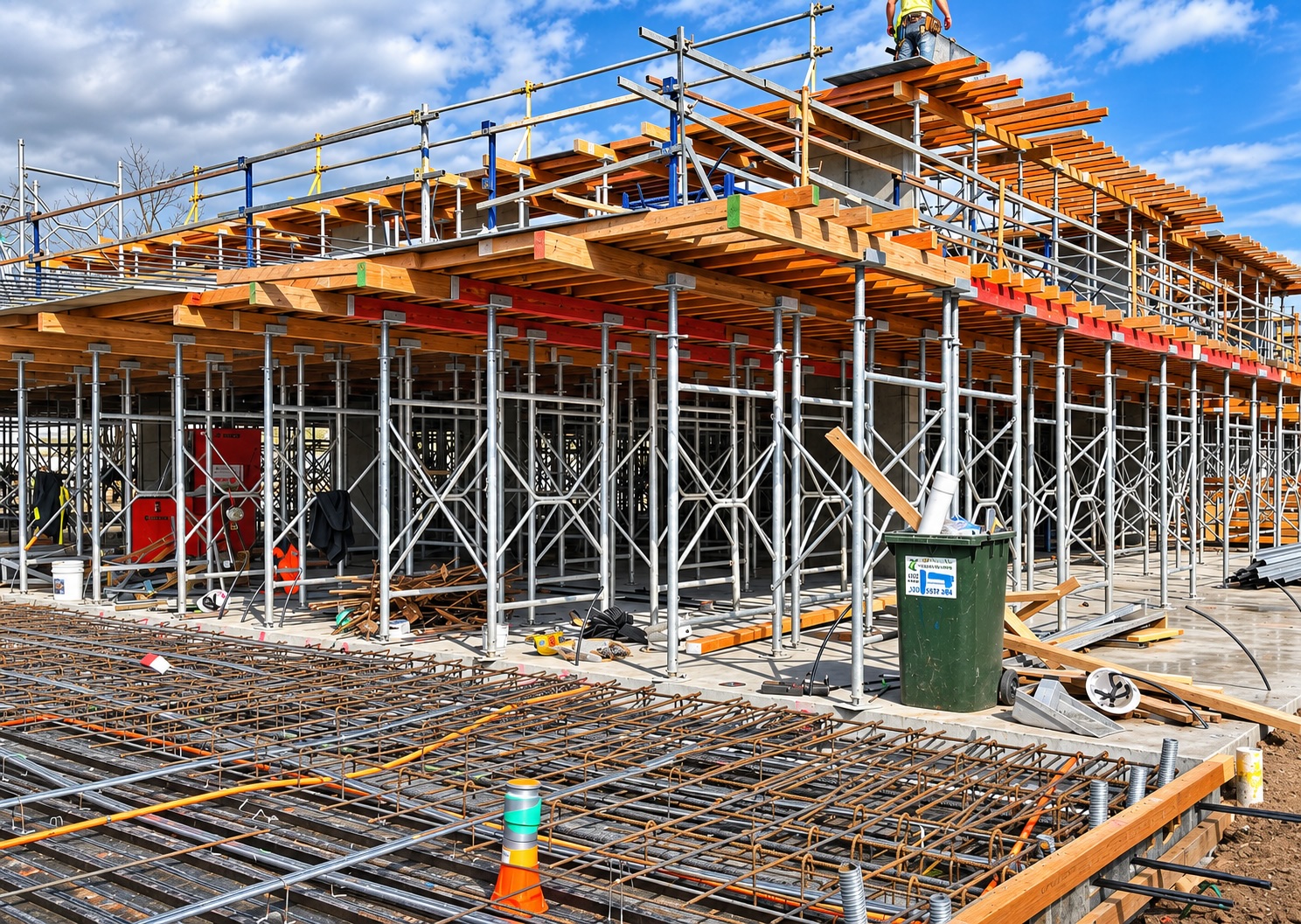
Different jobs call for different materials. Standard formwork components, props and beams are priced differently from specialty items such as LVL timber. LVL (laminated veneer lumber) is strong, straight and consistent, making it ideal for formwork. Hiring it rather than buying is often far more cost-effective for one-off or short-term projects.
2. Quantity and project size
A small residential slab needs far less material than a multi-level commercial pour. The more formwork you need, the higher the overall hire cost, though larger orders can be more economical per unit. Accurate quantities from your plans help you avoid over-ordering and paying for gear that sits unused on site.
3. Hire duration
Formwork hire is typically charged over a hire period, so the length of time you keep materials on site has a big impact on cost. Weather delays, curing times and inspections can all extend the hire period. Building a realistic program, with a small buffer, keeps costs predictable.
4. Pick-up and returns
How you collect and return materials matters too. Planning pick-ups and returns around your pour schedule, rather than holding gear longer than needed, is one of the simplest ways to reduce your spend.
5. Condition on return
Materials returned clean and undamaged help you avoid additional charges. A quick clean-down and careful stacking at the end of the job is well worth the effort.
Formwork hire vs buying: which costs less?
For most builders and contractors, hiring formwork is more cost-effective than buying, especially when:
- you don’t need the materials for every job
- you have limited storage space
- you’d rather keep cash free for labour and other materials
- your projects vary in size and require different quantities
Buying ties up capital in materials that need storing, maintaining and eventually replacing. Hiring means you only pay for what you need, when you need it.
How to keep your formwork hire costs down
- Plan quantities carefully. Work from your drawings and talk to your hire supplier about what you’ll actually need.
- Book early. Securing materials ahead of time avoids last-minute delays that can push out your whole program.
- Coordinate with your pour schedule. Collect materials close to when you need them and return them promptly.
- Look after the gear. Clean, well-stacked materials make returns quick and simple.
- Ask about LVL timber hire. For many jobs, hiring LVL is a practical, flexible alternative to purchasing.
Get a quote for your project
Every job is different, so the best way to know what formwork hire will cost is to talk through your project with us. At Formhire Aus, we supply quality formwork materials, including our unique LVL timber hire, to builders and contractors across Melbourne and regional Victoria.
Call or text 0405 186 831 or email info@formhire.com.au to discuss your next project.
